10 November 2026
BEREC and the BEREC Office discuss future priorities and responsibilities with the European Parliament's ITRE Committee
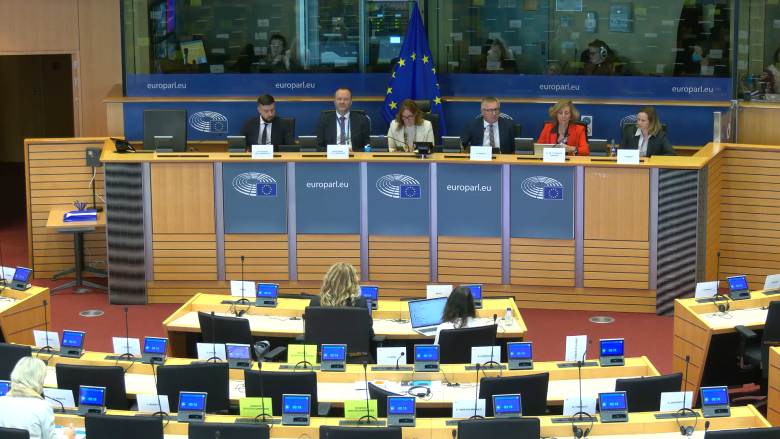
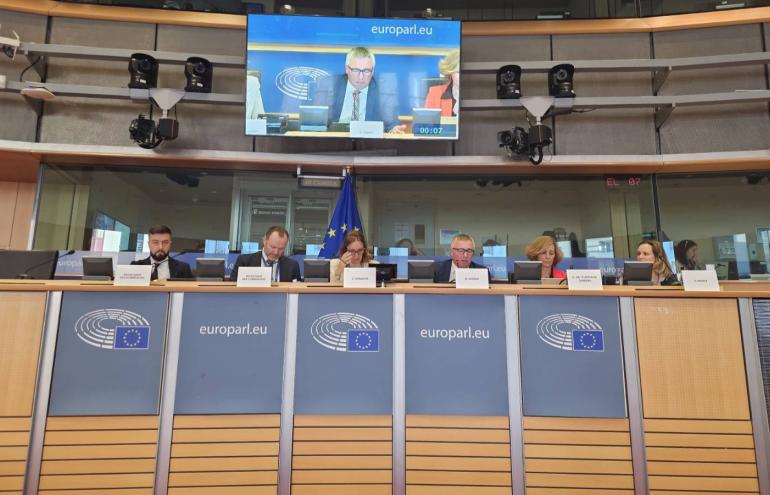
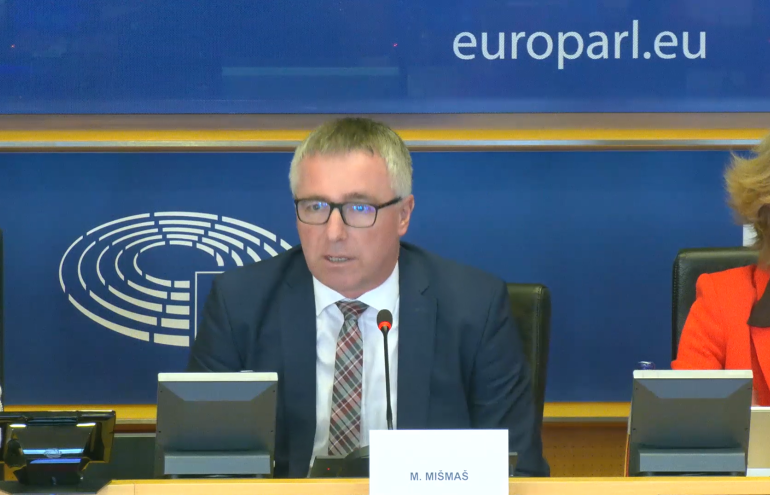
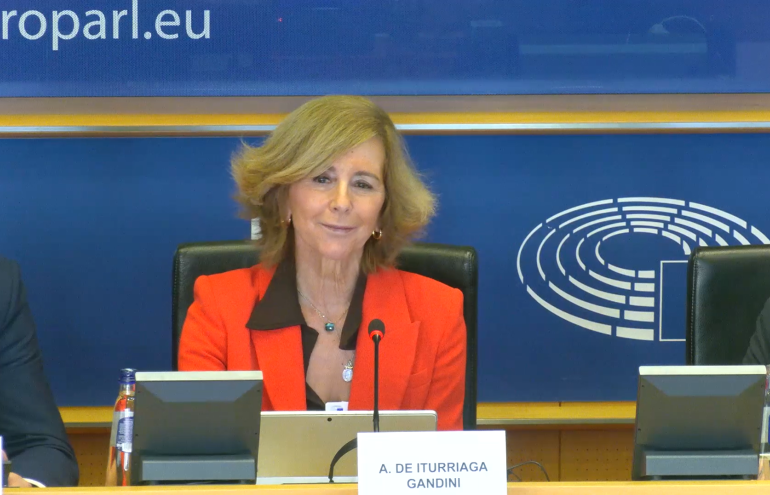
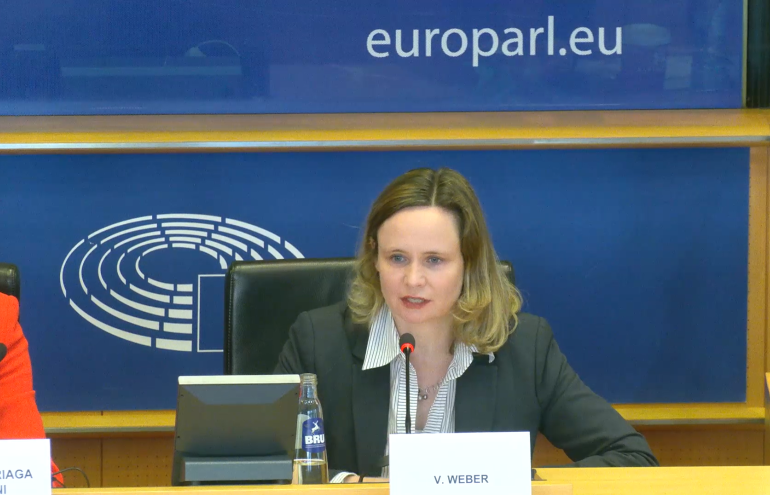
On 10 November 2026, BEREC and the EU Agency for Support for BEREC (BEREC Office) leadership held their annual exchange of views with the European Parliament's Committee on Industry, Research and Energy (ITRE) in Brussels. During the meeting, BEREC and the BEREC Office presented their ongoing work and key priorities for the upcoming year, and discussed the evolving regulatory context for electronic communications, connectivity and digital networks in Europe.
BEREC and the BEREC Office play an important role in supporting high-quality connectivity across Europe by contributing to consistent regulation, end-user empowerment, competition and innovation in electronic communications markets. BEREC underlined that protecting end-users will remain one of its core priorities in 2027. In particular, it highlighted issues such as fraud prevention, existing end-user rights in light of market and technological developments, and the phase-out of 2G and 3G networks. Regarding the latter, BEREC stressed the importance of transparent processes, appropriate safeguards and continuity of services for users who still depend on these networks. Against the backdrop of forthcoming legislative and policy developments, the exchange also provided an opportunity to discuss the future role of BEREC and the BEREC Office, including the potential implications of the proposed Digital Networks Act.
BEREC ready to take on possible new responsibilities under the Digital Networks Act
BEREC highlighted its active contribution to the debate on the Digital Networks Act proposal and reaffirmed its commitment to supporting the legislative process with its expertise and practical regulatory experience. While acknowledging elements of the proposal it supports, BEREC also identified areas for improvement.
In particular, BEREC stressed that competition and investment should not be seen as opposing goals. In its view, effective competition remains a key driver of investment, innovation and consumer welfare. The BEREC delegation emphasised the importance of a balanced approach to the future regulatory framework, encapsulated in the principle: evolution, not revolution – simplify wisely, protect what works.
Looking ahead, BEREC and the BEREC Office reconfirmed their readiness to take on potential new responsibilities arising from the adoption of the Digital Networks Act. At the same time, it will be key that additional tasks are matched by adequate resources. In this context, future EU funding decisions will be critical to addressing the gap between evolving responsibilities and the resources available to BEREC and the BEREC Office to ensure the organisations can continue delivering effectively on their mandate and maintaining long-term operational stability. BEREC and the BEREC Office also clarified that any additional funding would not be intended to drive institutional expansion, but to ensure that the BEREC Office has the capacity to effectively support BEREC in fulfilling its mandate.
The annual exchange of views with ITRE remains an important opportunity for dialogue between BEREC, the BEREC Office and the European Parliament. It contributes to transparency and accountability while fostering a shared understanding of the regulatory challenges and opportunities shaping Europe's electronic communications and digital networks sector.