26 February 2026
Regulation must work together, and not in silos

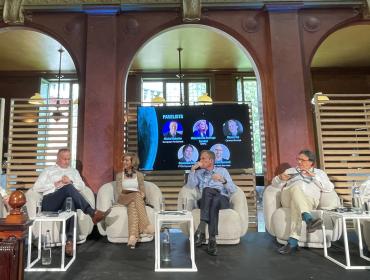
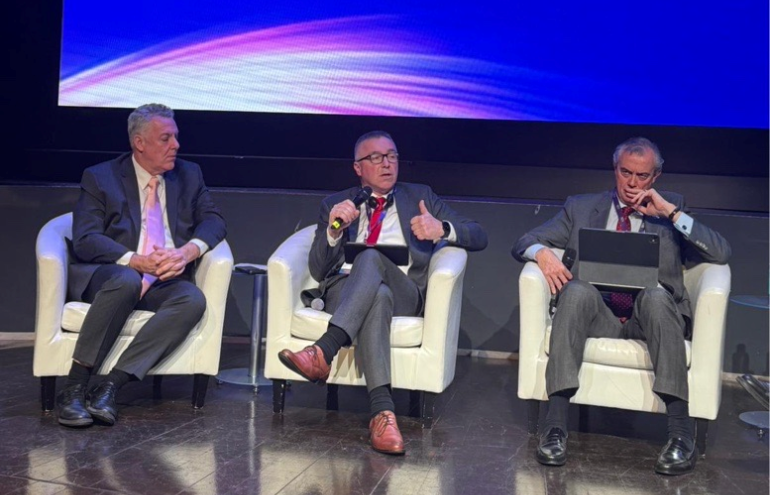
At the Digital Summit LATAM 2026, held in Madrid on 26 February, the BEREC Chair Marko Mišmaš (AKOS, Slovenia) and incoming Chair Alejandra de Iturriaga Gandini (CNCM, Spain) both took part in high-level panels on the topic of regulatory challenges leading up to 2030.
In his address, the BEREC Chair cautioned against overregulation, that might hamper innovation and weaken incentives for long-term investment, while underlining the importance of preserving effective competition. Marko Mišmaš added that investors are often more concerned about regulatory unpredictability and overlapping obligations than about strict rules as such.
Looking ahead, the BEREC Chair argued that the defining issue for 2030 should not be the number of rules adopted, but their overall coherence. As artificial intelligence, connectivity, cloud computing and data ecosystems are closely connected, the regulations need to be coordinated across all these areas to avoid isolated rules that could slow down innovation.
Collaboration across the digital ecosystem
Building on the theme of convergence, the incoming BEREC Chair Alejandra de Iturriaga Gandini addressed the international dimension of the digital transformation. She stressed that regulators must adopt an ecosystem-wide perspective and develop policies, mechanisms that foster cooperation. Alejandra de Iturriaga went on to emphasise the need for information exchange among all actors in the value chain. Given the global scale of these changes, she noted that national authorities could not act alone. Therefore, frameworks that support sharing experiences and best practices among regulators, not only at the national level, but also within Europe and internationally, are essential.